Monetization
Transparency
Research.
An 8-week research project investigating how monetization choices — ads, subscriptions, paywalls, and sponsored content — shape how users perceive and trust digital products.
When money enters the picture, trust becomes fragile. This project untangles how design decisions either protect or erode that trust, and proposes a set of transparency principles for ethical monetization.
Three ways money breaks trust.
Hidden Agendas
Sponsored content, affiliate links, and algorithmic bias are rarely disclosed clearly — users sense something is off but can't name what it is.
Dark Patterns
Subscription traps, misleading upgrade prompts, and artificial urgency erode user confidence and breed a culture of distrust.
No Language for It
Users struggle to articulate why certain products feel manipulative — there is no shared vocabulary for monetization harm.
 Trust is not lost in one moment — it erodes through a thousand small design decisions.
How we studied the relationship between money and trust.
I led the research design, conducted user interviews and surveys, performed the competitive audit, and synthesised findings into a transparency framework and redesign proposal.
Research-led redesign — combining user research, dark pattern auditing, and heuristic analysis to propose evidence-based design changes across three product categories.
User Interviews
In-depth conversations exploring how users perceive monetization, what triggers distrust, and what transparency would look like to them.
Dark Pattern Audit
Systematically audited 12 digital products across news, social media, and SaaS categories using established dark pattern taxonomies.
Survey
Surveyed 45 participants on their awareness of and reactions to common monetization practices to quantify perception gaps.
Competitive Analysis
Evaluated best-in-class examples of transparent monetization from independent media, open-source tools, and ethical SaaS products.
Secondary Research
Reviewed academic literature on persuasion, dark patterns, and digital trust to ground findings in established theory and evidence.
Heuristic Evaluation
Applied Nielsen's heuristics alongside a custom monetization-transparency rubric to evaluate interface-level trust signals.
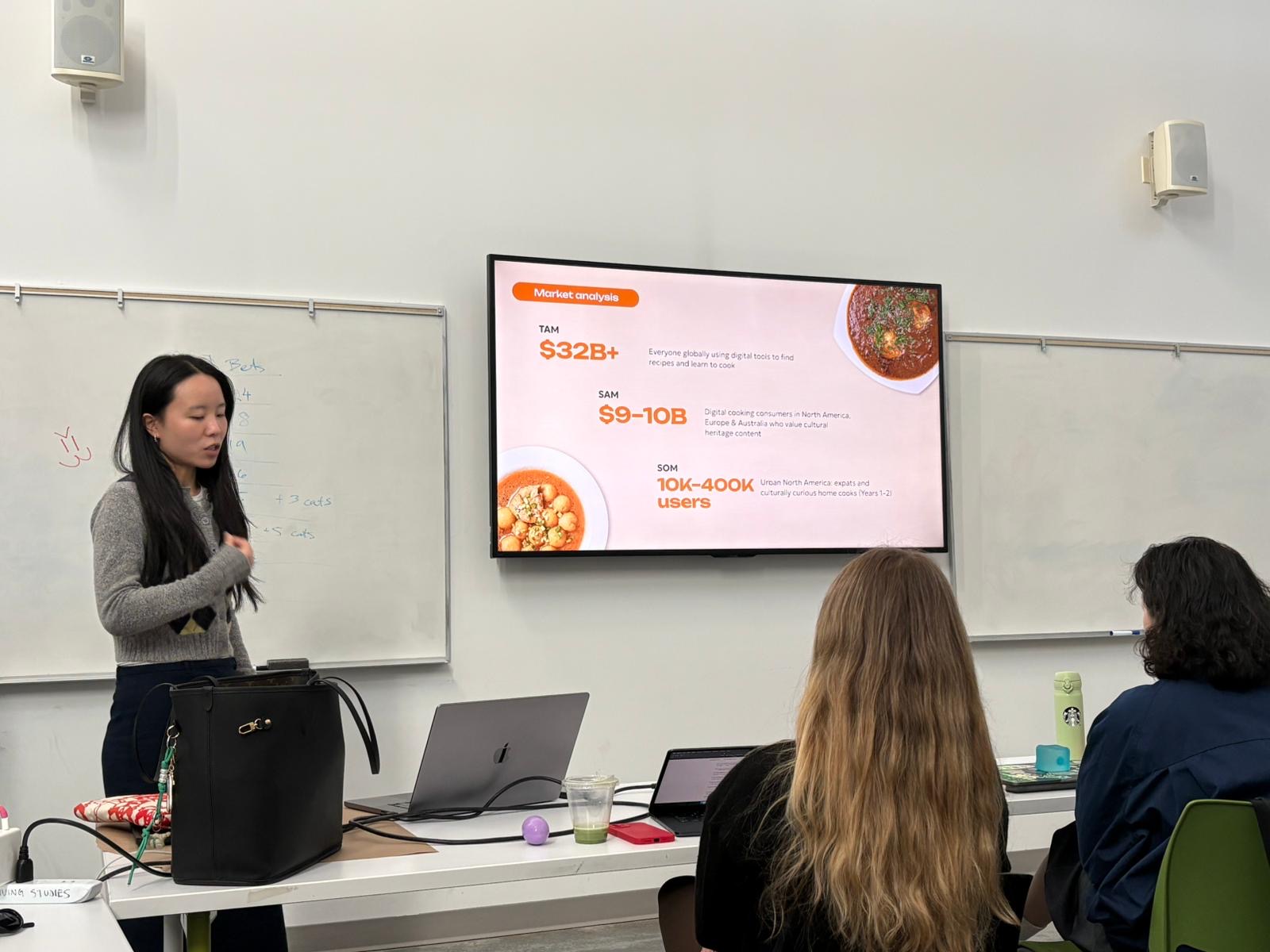
Affinity mapping across 45 interview codes — clustering around four core trust dimensions: disclosure, control, fairness, and consistency.
"I don't even read the sponsored labels anymore. I just assume everything might be paid for."
What users actually told us.
survey respondents across age groups and digital literacy levels — revealing how perception of monetization harm varies widely by experience.
Transparency about how a product makes money consistently increased trust — even when the model itself (ads, subscriptions) was unchanged.
Dark patterns that users couldn't name still damaged trust — the harm was felt even when the mechanism was invisible.
Users want agency over the exchange — tell me what you get from me, and let me choose whether that's fair.
The audit findings.
Across 12 products audited, we identified recurring patterns that erode trust without users being able to clearly articulate why.
Disguised Ads
Sponsored content styled to look editorial — same typeface, same layout, same card format. Disclosure labels were small, grey, and easily missed.
Roach Motel
Subscription sign-up flows that took one click. Cancellation flows that required navigating five screens, a confirmation email, and a phone call.
Hidden Costs
Pricing shown without taxes or add-ons until the final checkout step — a deliberate friction strategy to capitalise on sunk cost bias.
Forced Continuity
Free trials that auto-converted to paid without meaningful pre-billing notification — relying on user forgetting rather than genuine value.
Misdirection
Visual hierarchy designed to draw attention away from the cheaper option — colour, scale, and animation all nudging toward higher-revenue choices.
Confirmshaming
"No thanks, I don't want to save money" — decline options written to make opting out feel socially costly or personally embarrassing.
Four principles for ethical monetization design.
Disclose the ExchangeTell users clearly and early what they are giving up — attention, data, or money — in exchange for the product's value.
Make Opting Out EasyIf users can opt in with one click, they should be able to opt out with one click. Friction asymmetry is a trust signal — and not a good one.
Label ConsistentlySponsored, promoted, and paid content should look visually distinct — not blended in to look organic. Consistency in labelling builds recognition over time.
Price HonestlyShow the real price upfront. Taxes, fees, and add-ons should appear at first encounter — not as a reveal at checkout.
Applying the framework.
The framework was applied to one of the audited products — a news platform — to demonstrate how small, principled design changes can meaningfully shift user trust without disrupting the business model.
Sponsored content given a persistent, visually distinct label with a one-tap explanation of what "sponsored" means on this platform.
Cancellation made as accessible as sign-up — same number of steps, same visual weight, same screen level in the navigation.
All-in pricing shown from the first card — taxes and fees included, no asterisks, no "plus applicable taxes" in 10pt grey text.
A plain-language "how we make money" page linked from the footer and onboarding — written for readers, not lawyers.
The deliverables.
Transparency Framework
A four-principle framework for ethical monetization design — actionable enough to apply to any digital product, grounded in user research and dark pattern theory.
Dark Pattern Audit Tool
A structured evaluation rubric teams can use to self-audit their products for monetization practices that damage trust, with severity ratings and remediation guidance.
Redesign Proposal
A high-fidelity redesign of a news platform applying all four framework principles — demonstrating transparent monetization is compatible with business viability.
Research Report
A full research report combining user findings, audit results, and design recommendations — written for both designers and product decision-makers.
What I'd do differently.
Including business stakeholder interviews — even informally — would have strengthened the framework by acknowledging the genuine constraints designers work under when building monetization features.
Trust changes over time. A one-time survey captures a snapshot — a longitudinal study would have revealed how transparency interventions compound or decay over repeated product exposure.
The redesign proposal was validated heuristically, not with users. A usability study on the redesigned flows would have produced stronger evidence for the framework's effectiveness.